
Thomson Rivers University (TRU)
Reimagining a Commuter Campus into a Connected Community: Unlocking Surplus Lands for Long-Term Value: Financing Campus Expansion Through Strategic Real Estate Development
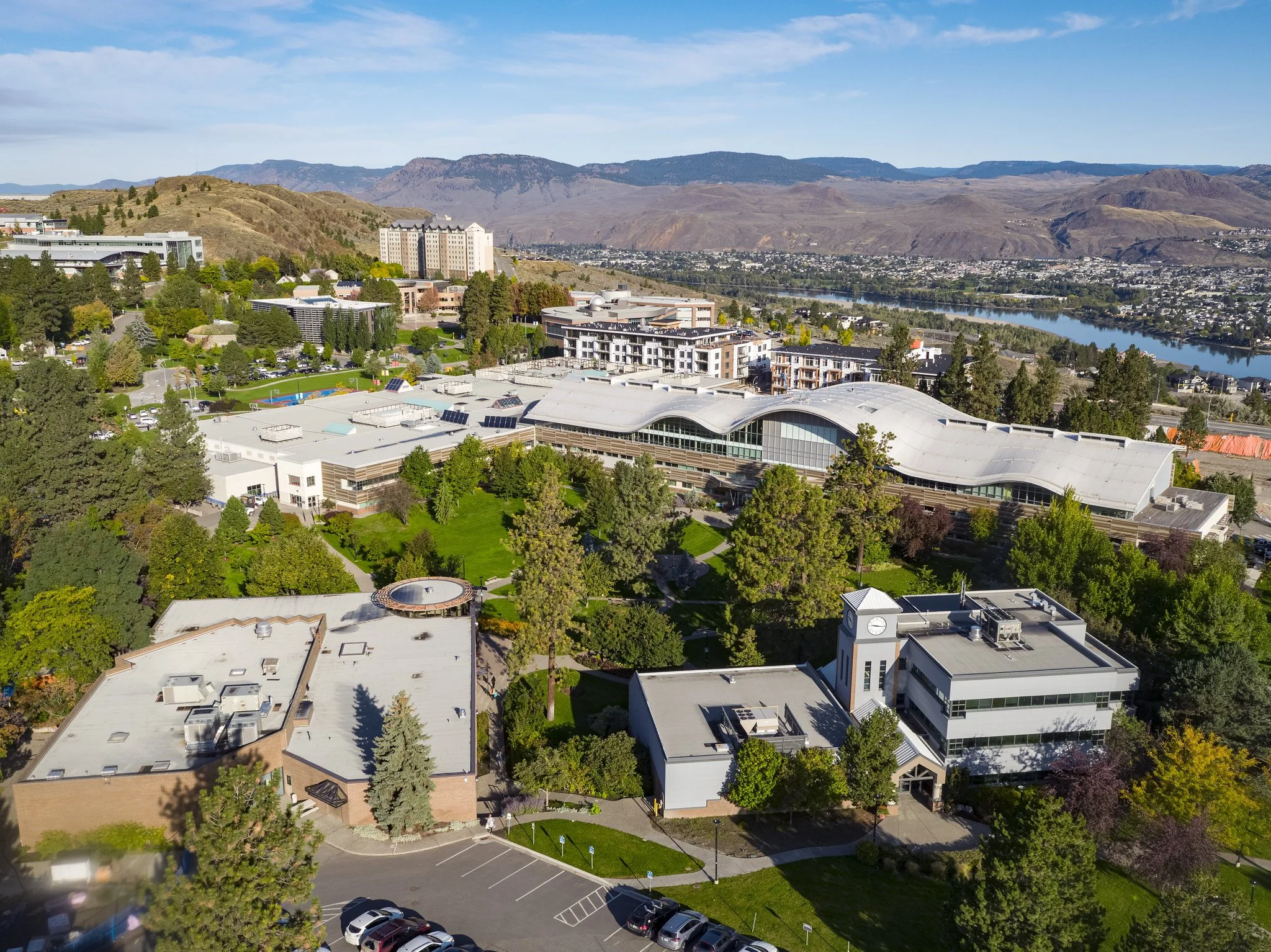
Context
Location: Kamloops, BC
Scale: Campus-wide masterplan, including a 90-acre surplus land parcel
Potential Impact:
$25 million in revenue from surplus lands to fund future campus expansion, plus a transformed, pedestrian-friendly campus culture that strengthens student and staff collaboration.
Stakeholder Environment:
• University administration
• Students and staff
• Local First Nations
• TRU Community Trust / TRU Properties Trust
• Private developers
The Challenge
• A scattered, car-oriented commuter campus built around parking lots, with little sense of community
• No dedicated funding mechanism to support the university's future expansion plans
• Underutilized surplus lands with no strategy for development
• A need to balance academic mission with private development interests
The Diocese held significant land assets with social potential — but lacked a unified framework to unlock them strategically.
What They Needed
TRU required:
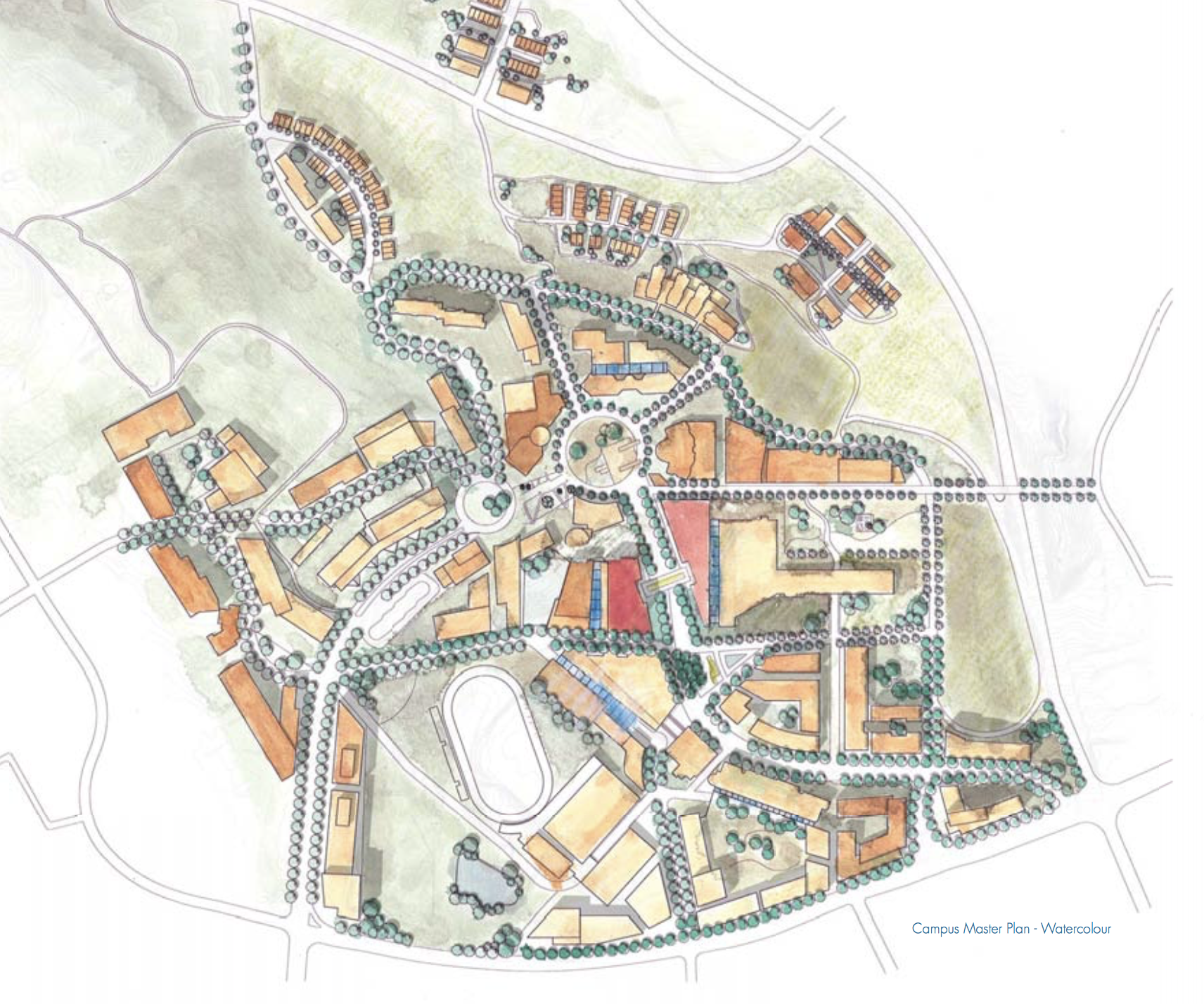
✅ A pedestrian-oriented campus masterplan shaped by student, staff, and community input
✅ Meaningful consultation with local First Nations and campus stakeholders
✅ An innovative real estate development strategy to monetize surplus lands
✅ A governance structure to manage long-term land development and revenue
TRU needed a plan that reimagined campus life while unlocking capital for its future.
Why This Matters
If your institution holds valuable land but is unsure how to convert it into long-term revenue while strengthening campus life, and you face:
❌ Unclear pathways to fund expansion without taking on new debt
❌ Tension between academic mission and development goals
❌ No governance model for managing long-term land revenue
❌ Limited capacity to redesign campus for community and culture
Purpose Driven Development applies a proven framework that moves landowners from stuck → strategic → shovel-ready, aligning financial sustainability with community impact.
The Results
✅ Transformed an unwelcoming commuter campus into a pedestrian-friendly community, restricting vehicles to the perimeter
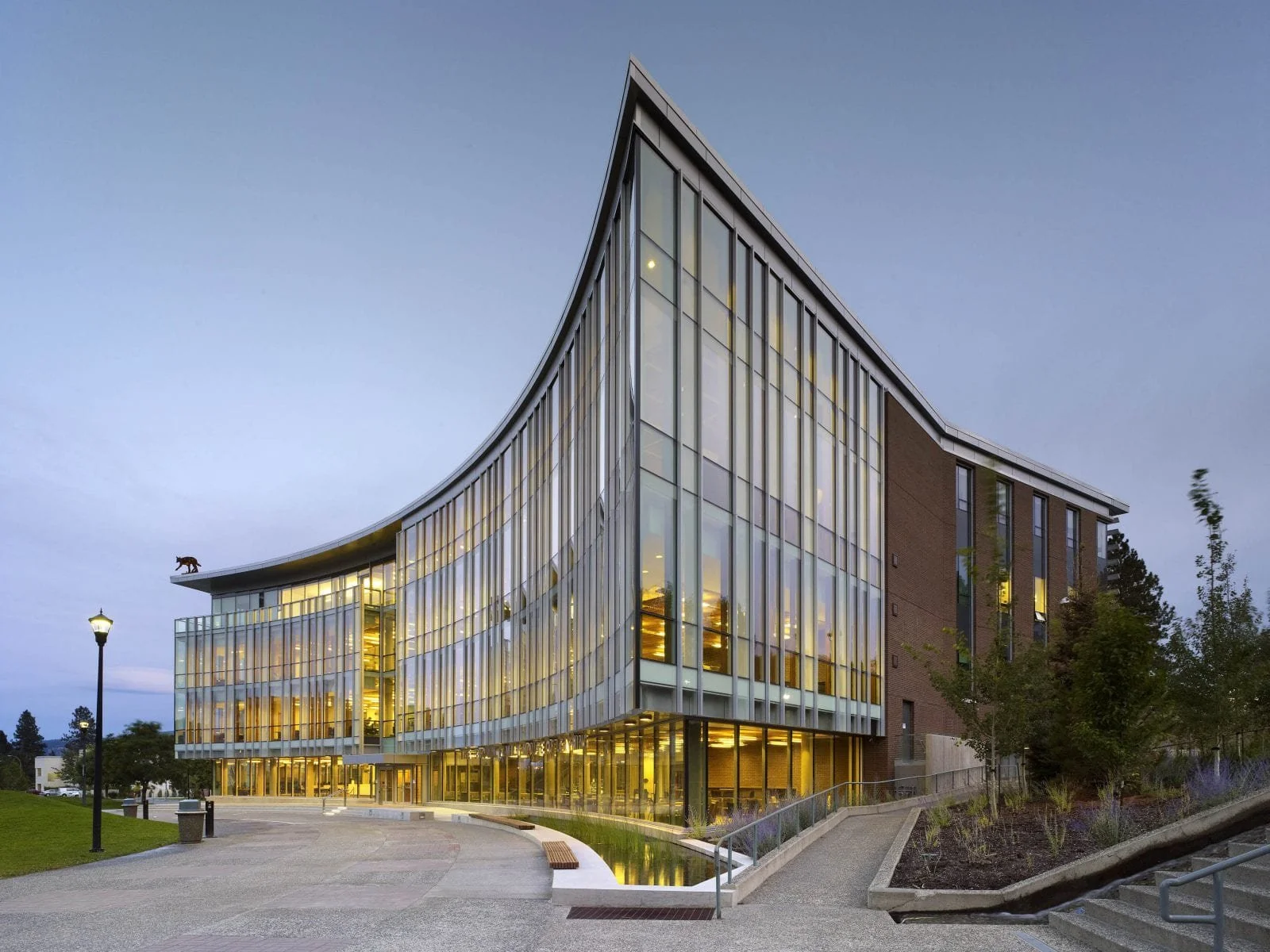
✅ Designed formal and informal social spaces for students and staff to encourage collaboration and a sense of community
✅ $25 million in revenue generated from surplus lands
✅ Established the foundation for the TRU Properties Trust, modeled on the successful UBC and SFU community trust approach, applying proceeds directly to academic research and student scholarships